ABOUT ME

Why I Can Help With Complex Test Systems

My work sits across reactor physics instrumentation, automated experimental systems, sensor integration, embedded control, data acquisition, safety logic, and scientific software.

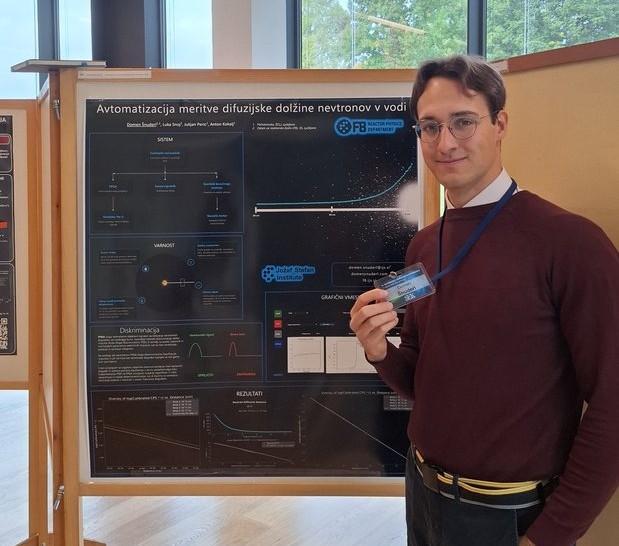
Domen Snuderl in an engineering environment

Engineering base

Mechatronics engineer

Specialist direction

Reactor physics and nuclear instrumentation

Main work

Automated measurement, control, data, and GUI systems

Useful when

Hardware, data, safety, and software must work together

COMPETENCE STORY

I build instruments, not just interfaces.

The pattern across my work is simple: take an unclear experimental problem, break it into physical measurement, sensors, electronics, firmware, control, data, safety, and operator workflow, then turn it into a system that can be tested, trusted, and used.

01

Start with the physical problem.

I first ask what needs to be measured, controlled, automated, or made more reliable, and where the current setup loses trust.

02

Break the system into layers.

Sensors, electronics, firmware, communication, GUI, logging, calibration, and safety behavior each need to be understood and tested.

03

Prototype, test, and debug.

I isolate subsystems, test assumptions, look for noise, drift, communication failures, bad data, and operator confusion.

04

Make it usable by others.

The work is not finished when it works once. It has to be repeatable, documented, understandable, and useful during a real test.
Full-stack experimental systems

I work across the full chain: physical phenomenon, sensors, electronics, embedded control, data acquisition, GUI, logging, calibration, and operator use.

Nuclear and radiation context

My specialist direction includes reactor physics measurements, HE3 neutron detectors, radiation monitoring, reactor-related instrumentation, and harsh-environment experimental systems.

Builder and handover mindset

I care about systems that actually run: clear controls, stable data flow, diagnostics, documentation, and interfaces that other researchers or operators can use.

REAL ENVIRONMENTS

The work comes from real nuclear and experimental settings.

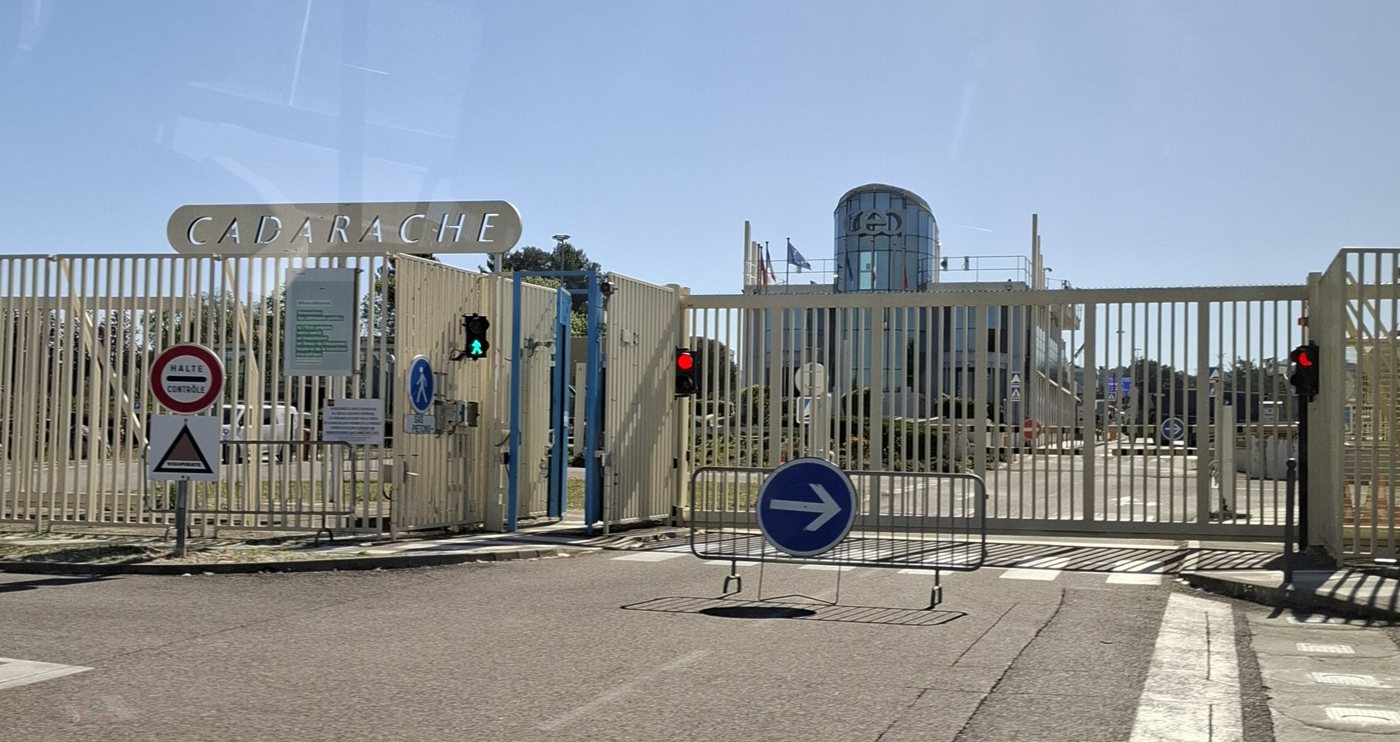
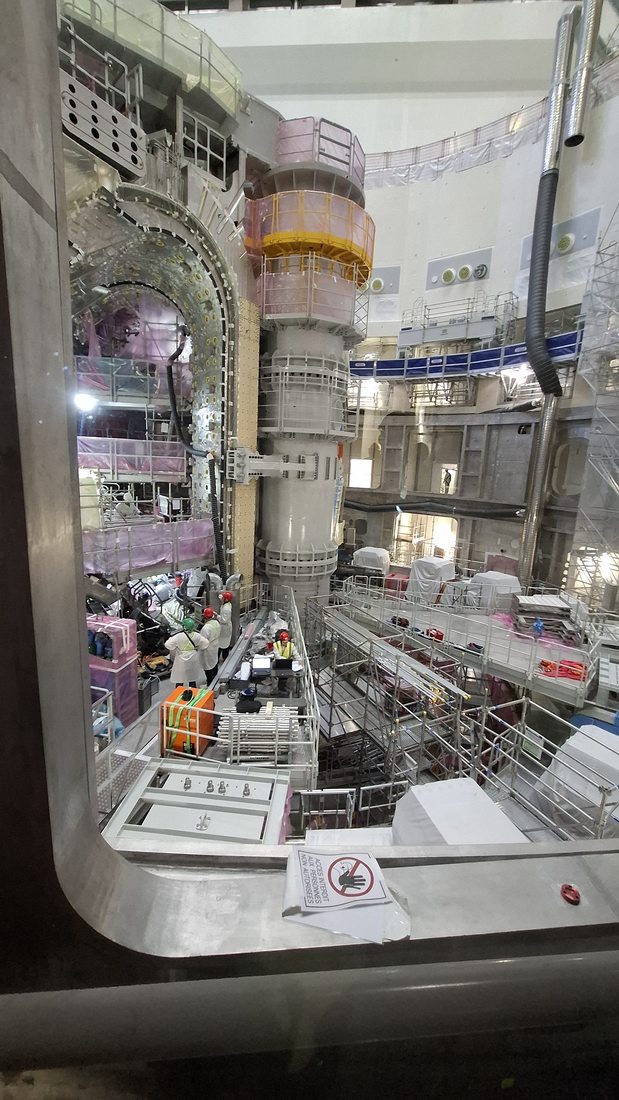
These are not decoration. They show the environments behind the work: nuclear research, fusion engineering, and reactor instrumentation where hardware, data, safety, and people have to work together.

CEA Cadarache nuclear research center in France
CEA Cadarache, France
ITER fusion reactor engineering environment in France
ITER fusion reactor, France
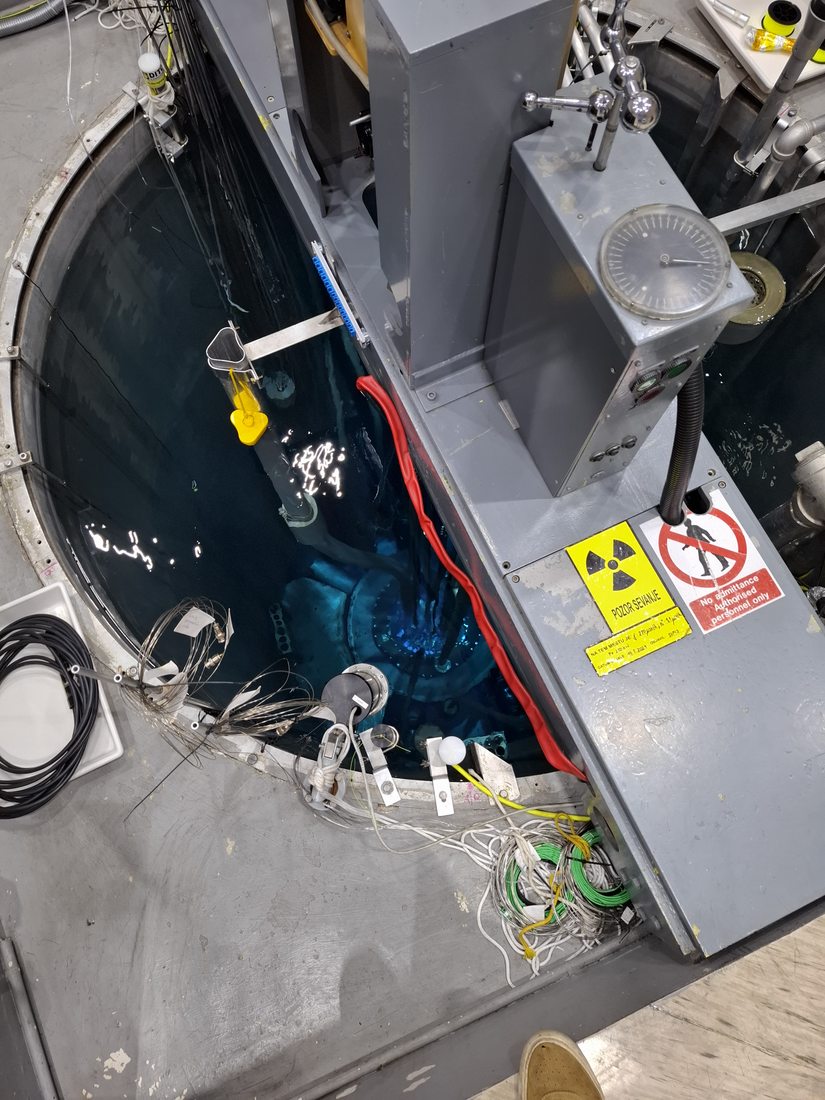
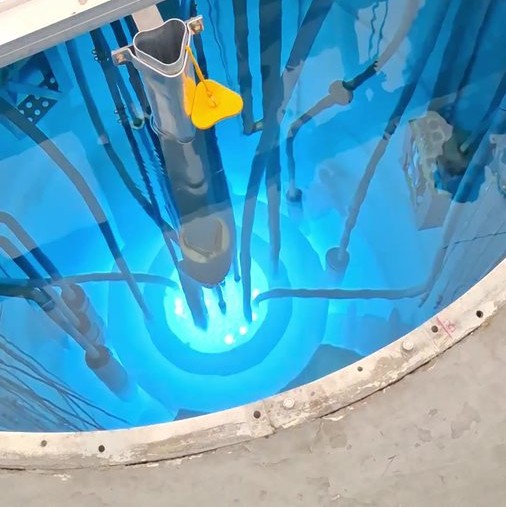
TRIGA reactor at Jozef Stefan Institute F8 in Slovenia
TRIGA reactor, Jozef Stefan Institute F8, Slovenia

WHAT I ACTUALLY WORK ON

The technical substance behind the consulting work.

This is the practical domain: instrumentation, automation, embedded control, safety logic, data acquisition, and scientific software.

Reactor physics and nuclear instrumentation

Neutron measurements, HE3 detector workflows, radiation-related signals, temperature-controlled experiments, and reactor-context measurement systems.

Automated experimental systems

Motorized positioning, user-defined measurement sequences, temperature regulation, safety states, data logging, and repeatable experiment execution.

Sensor systems and data acquisition

Sensor integration, signal acquisition, count-rate data, temperature values, status data, logging, calibration thinking, and data quality.

Embedded safety and control

MCU-based local safety logic, anomaly detection, independent shutdown paths, relay-based interruption, and hardware/software separation.

Scientific GUIs and monitoring

Operator interfaces with live values, graphs, alarms, logs, remote monitoring, system state, and clear experiment workflow.

Signal processing and system integration

FPGA acquisition, pulse-shape discrimination, Ethernet data transfer, device communication, and multi-layer integration.

PROJECT PROOF

Projects shown as competence proof, not documentation.

Each project shows the same useful pattern: a difficult experiment becomes safer, clearer, more repeatable, and easier to operate.

Signal pulse visualization for high-temperature irradiation system work

Nuclear reactor experiment control and safety

Starship: High-temperature irradiation pod control system

  • ProblemA high-temperature irradiation pod could not be treated like a normal heater. It needed reliable temperature measurement, PSU control, safety shutdown, operator visibility, remote monitoring, and experiment traceability.
  • BuildI developed the control and monitoring infrastructure: custom PCB temperature acquisition, MCU anomaly detection, two-channel relay shutdown, programmable PSU integration, GUI, live plots, LAN monitoring, remote smoke/environment sensors, and logging.
  • ValueThe pod became a controlled experimental platform instead of a manually monitored device. Critical safety behavior was separated from the main GUI, making the system more robust and traceable.
PCB temperature acquisition MCU local safety logic Relay-based power shutdown PSU regulation and control GUI, LAN monitoring, logging
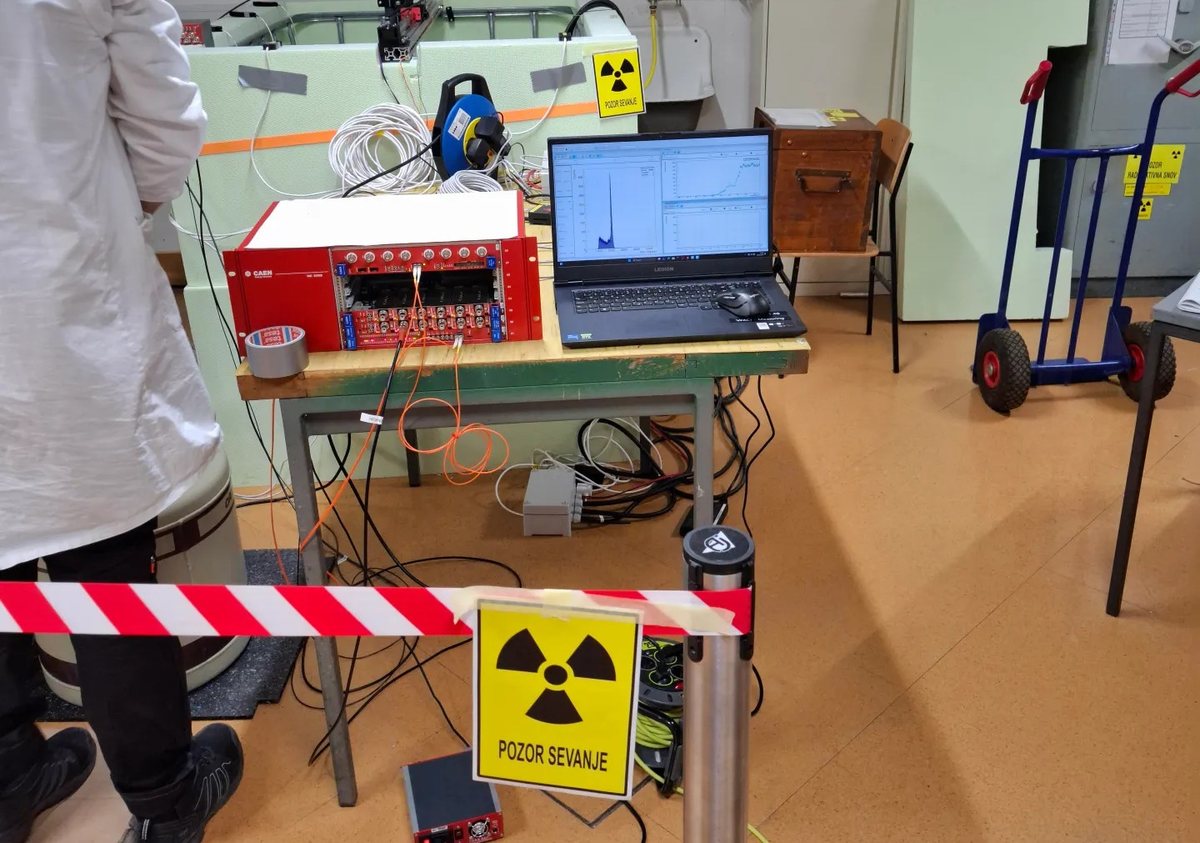
Neutron diffusion in water measurement interface

Reactor physics instrumentation and automation

Neutron Diffusion in Water: Automated measurement platform

  • ProblemNeutron diffusion measurement combines invisible radiation signals, detector positioning, heated water, pulse classification, temperature regulation, safety, logging, and repeatability.
  • BuildI built the integrated control, acquisition, safety, automation, and GUI system around the experiment: HE3 detector acquisition, FPGA pulse processing, pulse-shape discrimination, Ethernet data transfer, motorized positioning, live plots, logging, temperature control, and MCU over-temperature shutdown.
  • ValueThe experiment became more repeatable, safer, easier to operate, easier to analyze, and less dependent on manual steps.
HE3 detector acquisition FPGA pulse-shape discrimination Motorized U-rail positioning Temperature regulation and MCU safety GUI automation, plots, logging

CORE COMPETENCIES

The repeatable skills behind the projects.

Serious test systems fail between layers. These are the layers I am used to connecting.

01

System decomposition across hardware, embedded, software, data, safety, and operator layers.

02

Sensor integration, measurement-chain thinking, calibration awareness, and uncertainty discipline.

03

Embedded control and safety logic using MCUs, status reporting, anomaly detection, and independent shutdown behavior.

04

Data acquisition, signal processing, FPGA acquisition concepts, pulse classification, and Ethernet data transfer.

05

Scientific GUI development with live values, plots, alarms, logs, experiment state, and operator workflows.

06

Debugging across layers: wiring, sensors, electronics, firmware, communication, software, mechanics, and physical behavior.

07

Documentation and handover so a system can be understood by people other than the person who built it.

BACKGROUND

Relevant work that supports the consulting offer.

The pattern across my work is practical: learn the system, understand the constraints, and build tools that make the work easier to run and trust.

2024 - Present

Reactor physics instrumentation and thesis work

Jozef Stefan Institute F8

Neutron diffusion in water, HE3 detector measurements, automated positioning, FPGA-related acquisition, and reactor-physics measurement context.

2024 - Present

Department of Surface Engineering

Jozef Stefan Institute F4

Project work around plasma coating on cell batteries.

2023 - 2024

Electrical planning in photovoltaics

Znalcek.si

Electrical planning, inverter configuration, and solar panel configuration.

2022 - 2023

Development in acoustic engineering

IMS d.o.o

Acoustic engineering, quality assurance, and SDET work in C#.

EDUCATION

Built for cross-discipline engineering.

Mechatronics Engineer

The main engineering base for working across mechanics, electronics, control, automation, and software.

Computer Tech

Early technical foundation in programming, computer systems, and practical troubleshooting.

LANGUAGES

International work ready.

  • Slovenian: native
  • English: fluent
  • Spanish: elementary

LICENSES & CERTIFICATIONS

Safety, discipline, and regulated environments.

  • Class 3 certification for handling radioactive material
  • Skydiving A license

HOW I THINK

Good engineering has to work for people, not only machines.

Before engineering, I worked early and in practical environments: restaurants, warehouse packaging, and personal assistance work. I also spent six months volunteering in Requena, Spain, supporting a center for people with developmental disabilities. That background matters because good engineering is not only technical; it is also about responsibility, communication, and making systems usable for people.

NEXT STEP

Get a Test System Audit.

Send what you are testing, which devices are involved, how data is currently collected, and what feels slow, risky, or unclear. I will write back with the first useful diagnosis.

What happens after you submit?

  1. You send a short setup description.
  2. I review the system flow.
  3. I reply with the first bottleneck and practical fix.
  4. If it makes sense, we discuss a build.
Back to Home